
The Call of the Banana Pancake Trail
There is a specific kind of morning light that spills over the Mekong River, turning the water into liquid gold as long-tail boats sputter to life. The air smells of frangipani, diesel, and simmering broth. You are sitting on a plastic stool, paying less than a dollar for a bowl of noodle soup that tastes like it has been perfected over generations. This is not a luxury resort; this is the raw, unfiltered magic of backpacking Southeast Asia. Whether you are a fresh-faced 18-year-old on a gap year, a solo traveler seeking spiritual recalibration, or a family proving that adventure doesn't stop after kids, the mainland and archipelagos of Southeast Asia offer the most accessible, affordable, and intoxicating travel circuit on the planet. The old Banana Pancake Trail has evolved, but the promise remains the same: profound freedom at a price that won't drain your savings.
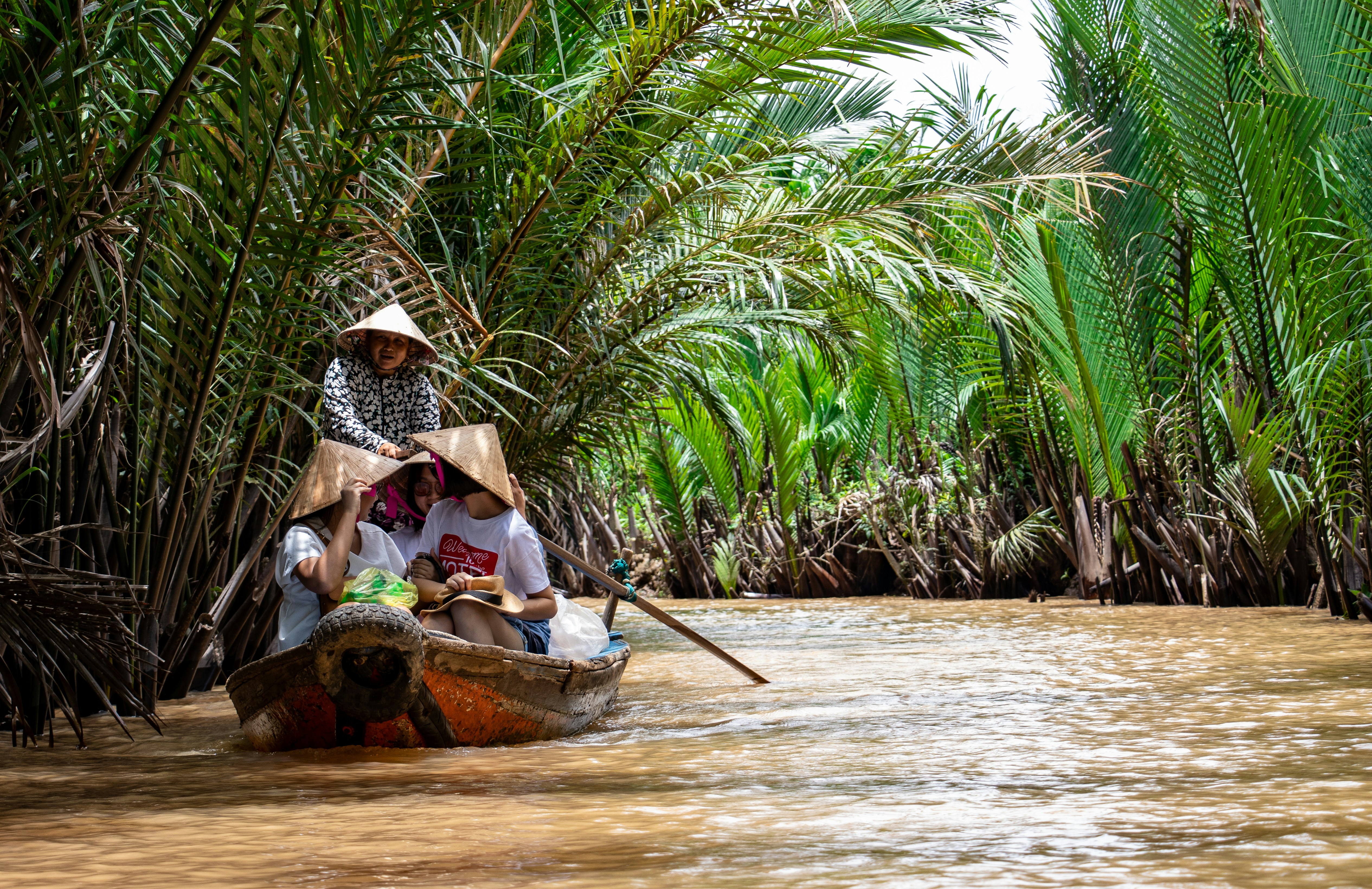
Golden sunset over the Mekong River with traditional long-tail boats in Laos
Why Southeast Asia Remains the Backpacker’s Holy Grail
It is tempting to think the region has been 'over-traveled,' but the reality is quite the opposite. Infrastructure has improved dramatically, yet you can still walk ten minutes away from the main temple in Siem Reap and find yourself completely alone among the crumbling laterite walls. Southeast Asia is a masterclass in contrasts. You can surf the digital nomad cafes of Bali in the morning and trek to isolated animist villages in Sumba the next week. The value proposition remains unrivalled; a comfortable private room can cost less than a parking space in a major Western city. More importantly, the deeply ingrained cultural emphasis on hospitality makes traveling here feel less like a transaction and more like a warm welcome.
Crafting Your Route: The Classic Loop vs. The Road Less Traveled
The Classic Mainland Circuit
Most travelers start in Bangkok, a city of vertiginous rooftop bars and labyrinthine back alleys. From there, the well-trodden path snakes north to the creative artsy haven of Chiang Mai before crossing the border into the sleepy UNESCO town of Luang Prabang in Laos. The journey continues across the karst landscapes of Vang Vieng, into the chaotic poetry of Hanoi, and down the slender spine of Vietnam via the breathtaking Hai Van Pass. The finale usually involves the ancient jungle temples of Angkor Wat in Cambodia. This route takes a minimum of two to three months, but honestly, giving it four months allows you to linger over a $0.50 beer without guilt.
The Island-Hopping Archipelago
If the mainland focuses on culture and cuisine, the southern tier is about the ocean. The Thai islands like Koh Lanta appeal to families and couples seeking peace, while Koh Phangan transcends its Full Moon Party reputation with hidden yoga retreats. Indonesia is a beast entirely—Java offers volcanic drama at Mount Bromo, while Flores throws you into the prehistoric realm of Komodo dragons. The Philippines, often unfairly skipped, requires effort but rewards you with lagoons in Palawan that look like a screensaver.
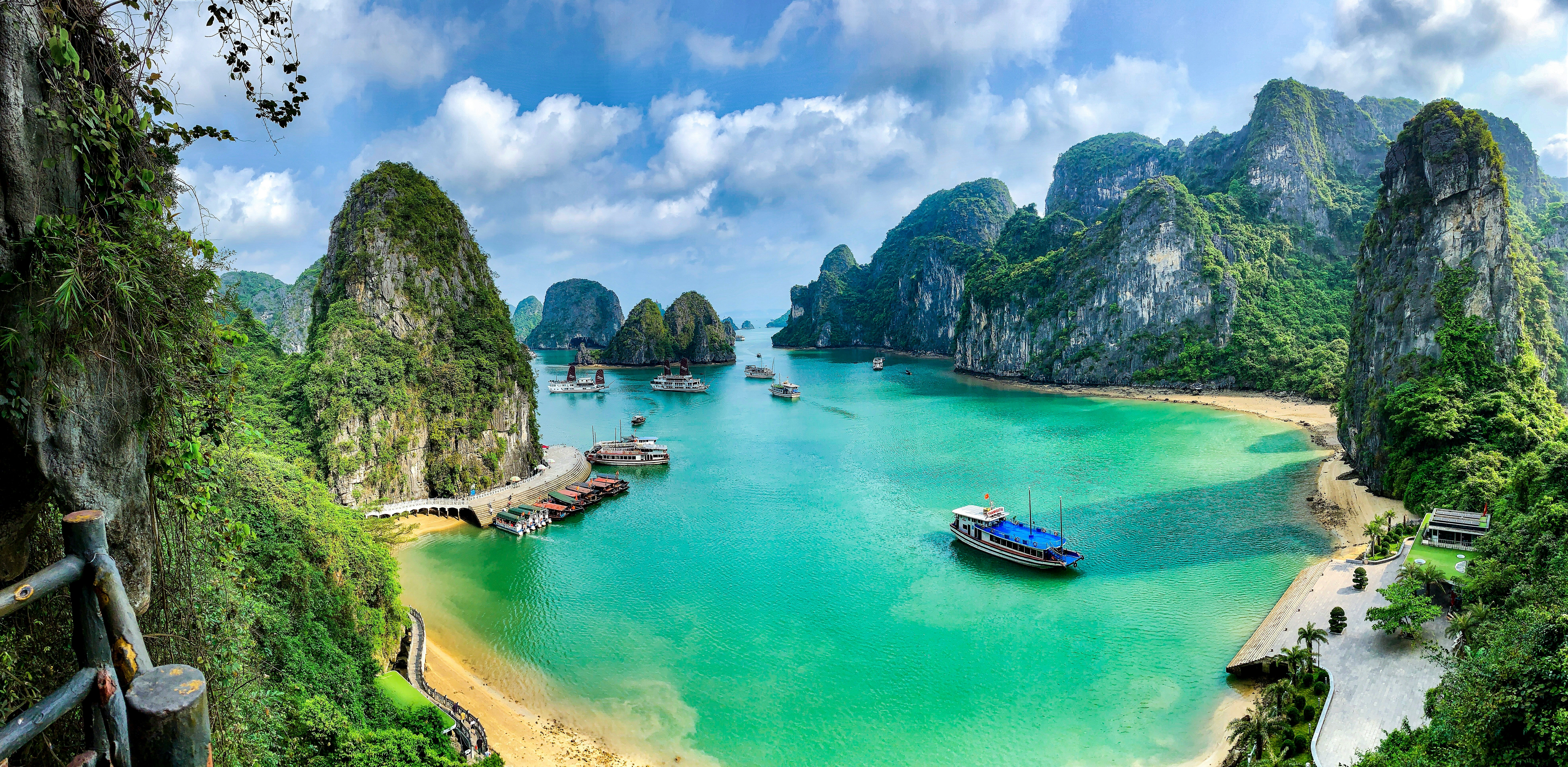
Solo female backpacker looking over the limestone karsts of Ha Long Bay, Vietnam
To avoid burning out, plan your itinerary around the monsoon patterns. You can chase the dry season by doing northern Vietnam/Laos from October to March, then bouncing down to the Indonesian islands from April to October.
Timing the Tropics: Monsoons and Magic Hours
Southeast Asia doesn't have a simple 'wet/dry' binary. The weather varies wildly by coast. Generally, the cool, dry season from November to February is peak time. It’s comfortable, but prices spike and hostels fill up fast. The 'green season'—often dismissed as the off-season—is actually a secret weapon for budget travelers. During the southwest monsoon (May to October), rain usually arrives as a dramatic, hour-long downpour in the afternoon before the sun cracks back through the clouds. The rice paddies glow electric green, dust is non-existent, and hotel rates can drop by 40%. For photographers, the cloud formations during the shoulder months create sunsets that look like a Turner painting.
Navigating the Visa Maze
The administrative side of backpacking can be a headache, but 2026 has brought some much-needed digital streamlining. Vietnam’s E-visa system now permits a 90-day multiple-entry stay for a reasonable fee. Thailand continues to offer visa-free entry for many Western nationals for 30 days, though check the strict enforcement of the 'proof of onward travel' rule; they are cracking down on flexible tickets. Indonesia’s electronic Visa on Arrival (e-VOA) is a lifesaver, letting you skip the immigration queue at Bali’s Ngurah Rai Airport. Always check your passport validity—it needs at least six months remaining and two blank pages. A classic mistake is running out of passport space in the middle of a Lao border crossing.
If you don't have a flight out of Thailand, you might be denied boarding at your origin airport. Avoid dodgy fake ticket websites. Instead, use legitimate 'onward ticket rental' services that provide a real, verifiable PNR for 48 hours for about $10, or buy a fully refundable ticket.
Getting Around Like a Local
Transportation is the logistical skeleton of your trip. The network of sleeper buses, slow boats, and low-cost airlines is superb. In Vietnam, the open-tour bus tickets allow unlimited stops for a month, letting you hop from Hue to Hoi An to Nha Trang at your own pace. Don't fear the motorbike. For many solo travelers, renting a semi-automatic Honda Wave ($5/day) in the Ha Giang province is the emotional climax of the whole year—hundreds of kilometers of limestone spires and smiling children waving from the roadside. Only ride if you are licensed, and triple-check that your travel insurance explicitly covers two-wheelers. The train from Bangkok to Chiang Mai is a rite of passage, especially the second-class sleeper where the conductor transforms your booth into a cozy bunk bed while you munch on packed fried rice.
The Reality of the Daily Budget
A shoestring budget in 2026 is tighter than it was five years ago, but still feasible. For a comfortable backpacker lifestyle—private hostel rooms, a few beers, a domestic flight or two, and scuba diving—budget around $1,200 per month across the mainland. The islands, particularly in southern Thailand and Singapore, will bleed your wallet twice as fast. Laos is surprisingly expensive due to import taxes on fuel, while Vietnam and Cambodia remain the champions of affordability. Street food is your financial savior; eating a noodle soup for breakfast and a BBQ chicken with sticky rice for dinner should cost under $10 a day total.
- Dorm bed: $3 - $8
- Basic private room: $10 - $15
- Street food meal: $1 - $2.50
- Scooter rental: $5 - $8
- Local beer (large): $0.50 - $2
- Scuba dive (fun dive): $25 - $35
Pillow Talk: Where to Rest Your Weary Head
Gone are the days when a hostel meant a stained mattress and a broken fan. The social hostel scene in cities like Da Lat (Vietnam) and Gili T (Indonesia) rivals boutique hotels. Look for 'eco-stays' in the rice paddies of Ubud, where you can wake up in a bamboo hut to the sound of trickling water for $15. For families, long-stay apartment rentals on Agoda are often cheaper than hostels on a per-head basis and come with a kitchen—crucial for sanitizing fruit and making emergency pasta.
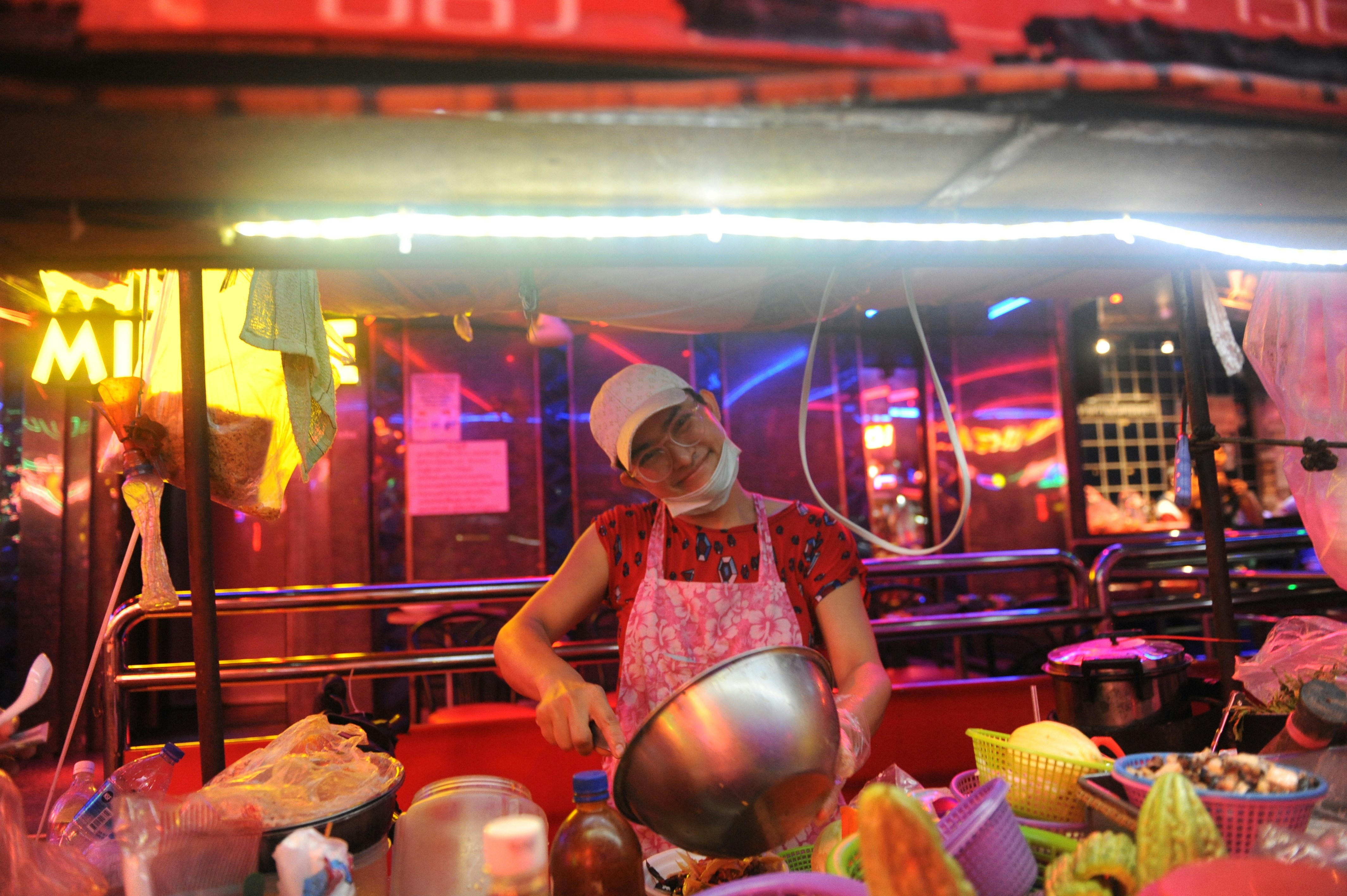
Steaming bowls of boat noodle soup at a bustling street stall in Bangkok, Thailand
The Culinary Pulse of the Streets
You haven't eaten until you've squatted on a child-sized stool in a Hanoi alley, slurping 'bún chả' as Barack Obama once did. Southeast Asian food is a visceral assault of umami, sugar, and scorching heat. Don't stick to the safety of Pad Thai. Hunt down 'amok' curry steamed in banana leaves in Cambodia, the fermented tea leaf salad in Myanmar, and the raw crunch of green papaya salad pounded with a mortar and pestle in a Bangkok market. A golden rule for street food: trust the queue. A long line of locals isn't just a tip; it's an unspoken guarantee of both quality and turnover, which means the pork hasn't been sitting in the sun.
The Showstoppers and the Hidden Corners
Angkor Wat at sunrise is genuinely worth the 4:00 AM alarm—stand by the reflection pool on the left for the classic shot. But the magic often lives in the overlooked. Skip the crowded Maya Bay in Phi Phi and kayak through the secret lagoons of Ang Thong Marine Park. In Vietnam, bypass Nha Trang beach for the untouched coral reefs of the Con Dao archipelago, a former prison island with empty stretches of sand and giant sea turtles. In Cambodia, the floating villages on Tonle Sap Lake offer a raw and authentic glimpse into a disappearing way of life. For an epic sunrise, climb Mount Batur in Bali, but start at 2:00 AM; you'll sweat under the stars, but the pancake breakfast cooked on volcanic steam at the summit tastes better than any Michelin-starred meal.
- Kampong Khleang Floating Village (Siem Reap) - Authentic and less touristy than Chong Kneas.
- Mae Hong Son Loop (Thailand) - A 600km motorbike ride through pristine mountain roads.
- Siargao Island (Philippines) - Beyond the surfing, find the Sugba Lagoon blue sanctuary.
- Phong Nha-Ke Bang (Vietnam) - Camp beside Hang En, the third largest cave in the world.
- Don Det (Laos) - 4,000 islands in the Mekong where you can watch Irrawaddy dolphins.
A Month-Long High-Note Itinerary
If you only have 30 days, don't try to see five countries. Target a golden triangle. Start in Hanoi (3 days) for the sensory overload, book a 2-day cruise to Lan Ha Bay instead of the busier Ha Long Bay. Fly south to Da Nang, grab a motorbike, and scale the Hai Van Pass, dropping into the lantern-lit silk shop haven of Hoi An (4 days). Catch a cheap flight to Siem Reap (3 days) to kneel at Ta Prohm, the 'Tomb Raider' temple. Finally, fly into Krabi, skip the party, and take a longtail to the limestone cliffs of Railay Beach (5 days) for world-class rock climbing. This pace allows for a day or two of recovery by the pool with a book, which is essential for mental health.
Moving every two days is the fastest way to burnout. Budget for 'zero days' where you sleep in, do laundry, video call your parents, and plan the next leg. Burnout kills the adventure faster than a tropical illness.
Navigating Souls and Temples: Etiquette & Customs
Southeast Asia saves its most severe punishment for rudeness, not crime. The concept of 'face' is crucial; shouting or aggressive bargaining is utterly counterproductive and deeply offensive. Dress modestly when away from the beach—sarongs are not just fashion items but mandatory temple passes. A simple bow of the head ('wai' in Thailand, 'sampeah' in Cambodia) is not merely a greeting but a sign of deep respect, and it's always returned warmly. Never touch anyone's head, and never point the soles of your feet at a Buddha statue or a person. Public displays of affection beyond hand-holding are culturally jarring in remote regions.
Staying Healthy, Connected, and Safe
Safety in Southeast Asia is high, but the hazards are subtle. The biggest danger is the asphalt. Motorbike accidents involving tourists are heartbreakingly common; always wear a proper full-face helmet, not a plastic bowl. Petty theft is rare except for bag-snatching in Hanoi or Saigon; wear your daypack on your front. For connectivity, skip the roaming fees. Pick up a local SIM at the airport immediately. A 15-day unlimited data plan in Thailand or Vietnam costs less than $8. The Wi-Fi is fast enough in cities like Chiang Mai for glitch-free Zoom calls, making it a digital nomad paradise.
Leaving a Light Footprint
The crowds are back with a vengeance, and sustainability isn't optional. Single-use plastic is the plague of paradise. Carry a water purification bottle (like a Grayl or SteriPen) to cut out hundreds of plastic bottles on a long trip. Refuse the plastic bag for your 7-Eleven snacks. When interacting with elephants, never ride them; visit ethical sanctuaries in Chiang Mai or Mondulkiri where you observe them in the river. Sunscreen kills coral—rub on reef-safe zinc before that boat trip in the Similan Islands.
The Ultimate Tropical Packing Logic
Your backpack is your house; pack like a minimalist. The weight of your bag defines the quality of your transit. If you can't walk a kilometer with it without grimacing, you've overpacked. Tech fabrics that dry overnight are sacred. A sarong doubles as a towel, a curtain, and a beach wrap. Flip-flops are essential for the grimy bathrooms, but a pair of sturdy trail runners is better than hiking boots.
- 40L-55L Backpack (with rain cover)
- Dry-fit T-shirts (x4) / Merino wool is king for smell resistance
- Lightweight hoodie for aggressive bus AC
- Universal plug adapter and 10,000mAh power bank
- Microfiber quick-dry towel
- First-aid kit: Imodium, charcoal tablets, rehydration salts, antiseptic cream
- Headlamp (crucial for cave temples and power outages)
- Packable daypack (15L)
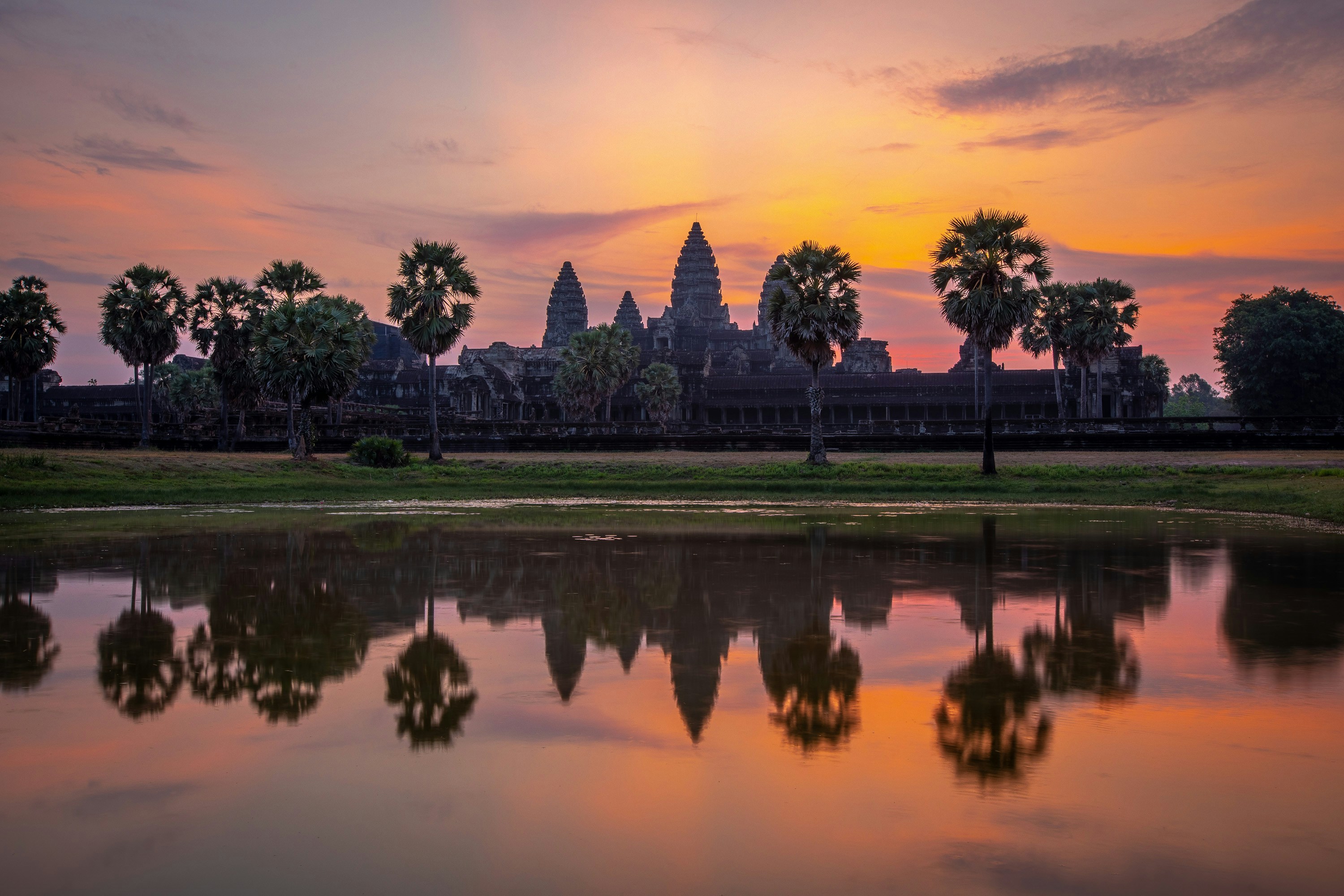
Stunning sunrise silhouette of Angkor Wat temple with a perfect reflection in the water
Don't Leave Planning to Chance
While spontaneity is the soul of backpacking, showing up in a thunderstorm without a bed booked is a rookie error. Having a digital command center is vital. We’ve been using the VoyZee Travel app to stitch together loose threads on the road. Instead of juggling a dozen sticky notes and five different booking apps, you can visualize your route, drop pins for those hidden gems your dorm-mate whispered about, and keep your booking PDFs offline. It turns the chaos of a 4-country itinerary into a clean, visual timeline, ensuring you never miss a flight or double-book a hostel.
Ready to hit the trail? Keep your complex multi-stop routes and essential booking confirmations perfectly synced and accessible offline with the VoyZee Travel app. It’s built for chaotic buses and spotty Wi-Fi.
Frequently Asked Questions
Is backpacking Southeast Asia safe for solo females in 2026?
Absolutely. It is one of the most popular destinations for female solo travel. Common sense prevails: lock your valuables, avoid walking down unlit alleys at 2:00 AM alone, and trust your instinct. The local culture is generally protective, but beware of the overly charming 'motorbike guides' in Hanoi and Bali looking to inflate prices.
Can I travel Southeast Asia with my family and young kids?
Yes, and they will be treated like royalty. Southeast Asians adore children. Opt for slower travel, beach bungalows with calm water like on Koh Lanta, and private drivers rather than chaotic public buses. Use Airbnbs for mid-day heat breaks.
Do I need travel insurance?
It’s non-negotiable. A motorbike crash in Pai can lead to a $40,000 medical evacuation if you don't have coverage. World Nomads and SafetyWing are popular picks, but read the fine print on motorbike CC limits.
Is tap water safe to drink?
No. Never drink the tap water, anywhere in mainland or island Southeast Asia. Ice in drinks is usually safe if it's a cylindrical tube with a hole (produced commercially). Avoid crushed ice from street stalls if you’re unsure.
How much does the average meal cost?
In Vietnam, Thailand, and Cambodia, a filling bowl of Pho or a curry on rice ranges from $1.20 to $2.50. A sit-down dinner in a tourist-oriented restaurant with a beer might set you back $5. Fancy Western brunches will cost $8-$12.
What are the most common scams I should watch out for?
The 'Grand Palace is closed' scam in Bangkok leads you to a tuk-tuk who takes you to a tailor shop. Jet-ski rental ripoffs in Phuket where you pay for 'previous damage' are notorious. Always take a video of the vehicle before renting.
How do I book accommodation while backpacking?
Agoda is king for Asia, often offering better deals than Booking.com. Hostelworld is useful for social hostels and reading reviews. Walk-in rates are often cheaper in small towns if you have the energy to haggle.
Can I use my credit card, or do I need cash?
Cash is king. The street food, markets, and budget guesthouses run on physical notes. ATMs are everywhere, but the fees are savage ($5-$7 per withdrawal). Bring a Schwab or Revolut card to rebate fees, and always withdraw the maximum amount to dilute the flat charge.
Is the internet good enough for working remotely?
Generally, yes. Coworking spaces in Chiang Mai, Bali (Canggu), and Da Nang are world-class. However, island Wi-Fi can be frustratingly slow. Buy a 4G SIM and hotspot, as it's often faster than the guesthouse router.
What’s the best way to avoid animal tourism traps?
Avoid any venue offering 'tiger selfies,' elephant riding, or monkey boxing. If you can touch a wild cat, it’s sedated. Visit the Elephant Nature Park in Chiang Mai or the Phnom Tamao Wildlife Rescue Center in Cambodia for ethical encounters.

Written by VoyZee Team
Official VoyZee editorial team
