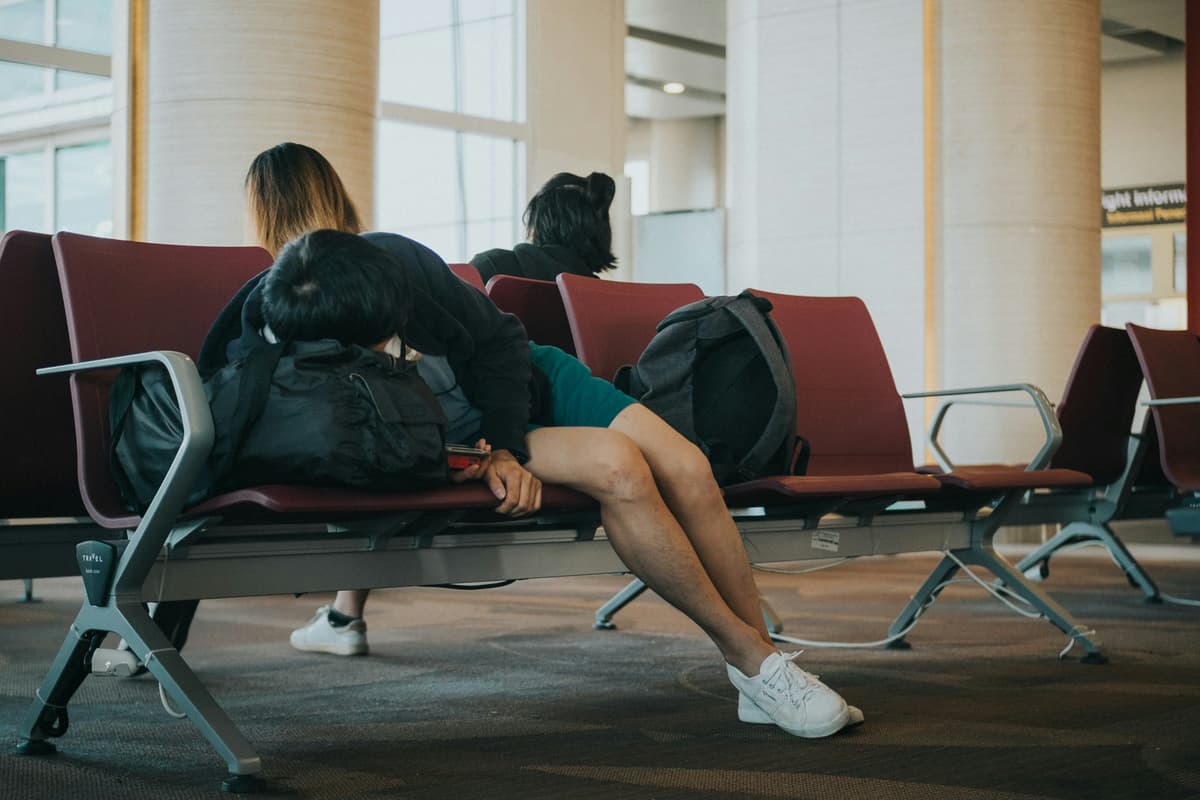
You land after eighteen hours of travel, three time zones blur into confusion, and your body insists it's the middle of the night when the sun is blazing outside. That fog is jet lag, and it can eat up the first precious days of any trip. The good news: with the right strategy, you can shrink that recovery window from days to hours. This guide pulls together tested tricks from backpackers crossing continents on a shoestring, families juggling toddlers through immigration lines, and solo travelers who need to be sharp for that first big adventure.
What Jet Lag Actually Is
Jet lag happens when your internal body clock, called your circadian rhythm, is out of sync with the local time at your destination. It's not just about being tired. Symptoms include disrupted sleep, daytime grogginess, irritability, headaches, and even digestive issues. Generally, your body adjusts about one time zone per day on its own, which is why a trip across six or eight zones can leave you off-kilter for nearly a week if you do nothing about it.
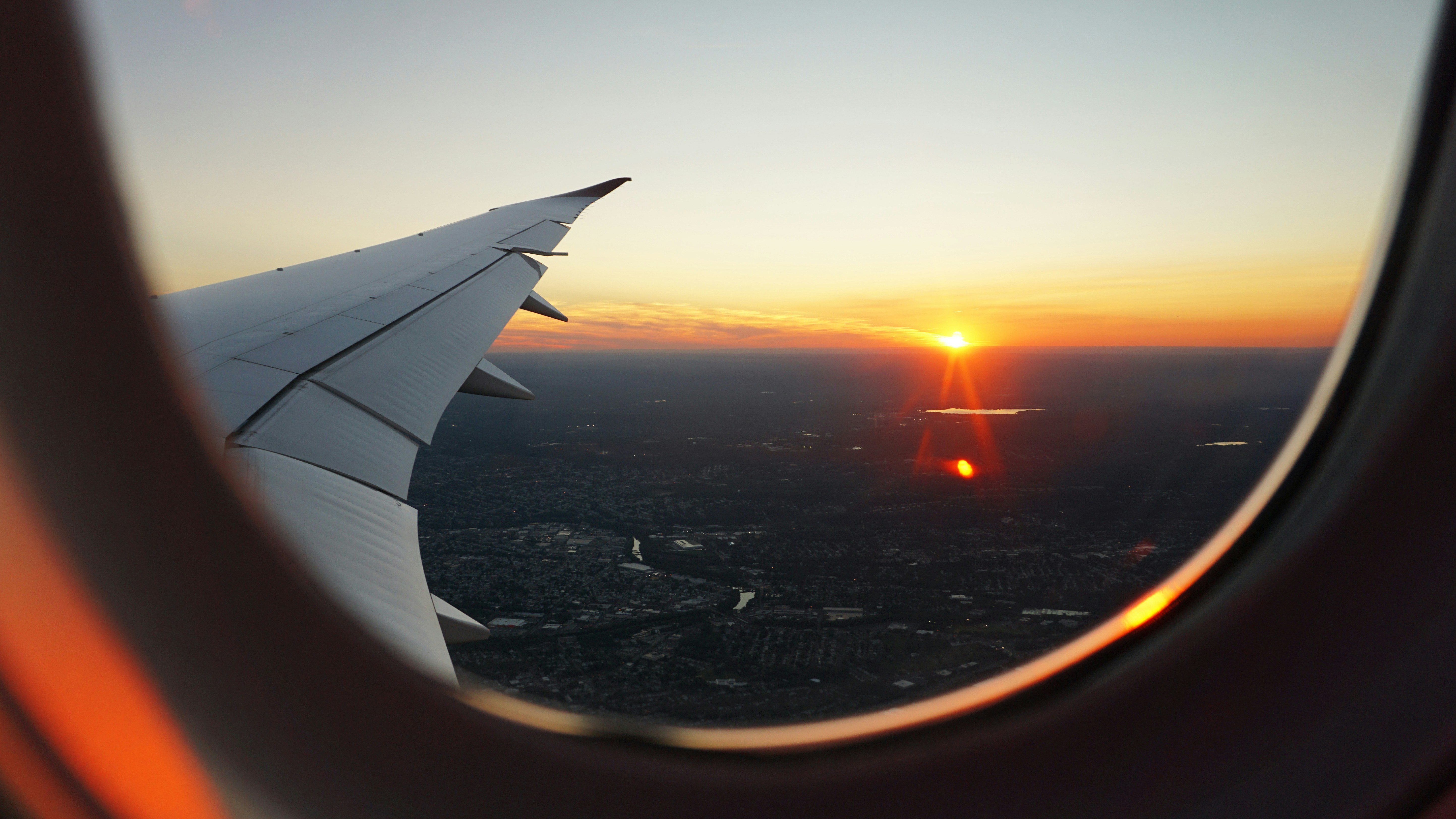
Sunrise view from an airplane window during a long haul flight
Why Beating It Fast Matters
For backpackers with a tight itinerary, every foggy day is a lost hiking trail or missed sunrise. For families, a jet-lagged toddler having a 3 a.m. meltdown affects everyone's sleep in the room. For solo travelers, arriving sharp means safer navigation, better decision-making, and more confidence exploring a new city alone. Beating jet lag quickly isn't a luxury, it's what lets you actually use the vacation days you paid for.
How Jet Lag Happens: Direction and Distance Matter
Flying east, say from Lisbon to Tokyo, tends to hit harder than flying west, because you're asking your body to fall asleep earlier than it wants to. Flying west is usually gentler since staying up later feels more natural. Distance matters too, but direction is often the bigger factor. Knowing this in advance helps you set realistic expectations and plan your first 48 hours accordingly.
- Eastbound flights (harder): shift bedtime earlier a few nights before departure
- Westbound flights (easier): shift bedtime later before departure
- Crossing 3 or fewer time zones: usually minimal jet lag
- Crossing 6+ time zones: expect 2-4 days of adjustment without intervention
Best Time to Travel to Minimize Jet Lag
If your schedule allows flexibility, booking flights that land in the early evening at your destination can help, since it gives you a few waking hours before a reasonable bedtime rather than forcing an awkward mid-afternoon nap. Overnight flights that land in the morning also work well if you can sleep on the plane, letting you step off ready to start a real day.
A window seat lets you control light exposure and lean against something to sleep. Aisle seats are better if you need to move around to stay awake on a westbound flight.
Pre-Trip Planning Checklist
Before you even board, a little prep goes a long way. Start shifting your sleep schedule 2-3 days before departure, in 20-30 minute increments toward your destination's time zone. Check your passport validity and any entry requirements ahead of time so pre-flight stress doesn't wreck your sleep the night before, since anxiety is a jet lag multiplier all on its own.
- Shift bedtime gradually 2-3 nights before departure
- Get a good night's sleep the night before your flight, not an all-nighter
- Set your watch or phone to destination time as soon as you board
- Pack an eye mask, earplugs, and a travel pillow in your carry-on
- Download offline maps and entertainment in case Wi-Fi is unreliable
In-Flight Strategies That Actually Work
The flight itself is where most of the real jet lag battle happens. As soon as you board, mentally commit to destination time. If it's nighttime there, try to sleep, even if it feels early. If it's daytime there, stay awake, watch a movie, walk the aisle, and avoid napping. Hydration is critical since cabin air is extremely dry and dehydration worsens fatigue and headaches.
- Drink about 250ml of water every hour you're awake
- Avoid alcohol and limit caffeine, both disrupt real sleep quality
- Move or stretch every 2 hours to keep circulation going
- Use blue-light blocking glasses or dim your screen in the evening hours of your destination
Budget-Friendly Jet Lag Remedies
You don't need expensive supplements or business class to beat jet lag. Sunlight is free and one of the most powerful resets available. Walking outside for 20-30 minutes on arrival, especially in the morning, tells your brain it's daytime and speeds up adjustment. A cheap sleep mask (around 5-8 EUR) and reusable earplugs go a long way for backpackers sharing hostel dorms.
Choosing Accommodation That Helps You Recover
Where you stay your first night matters more than people think. A room with blackout curtains lets you sleep on your new schedule without the sun waking you up too early. Hostels with 24-hour reception are handy for backpackers arriving on odd-hour flights, while families should look for a private room rather than a shared dorm for that critical first night, since a crying overtired child in a shared space benefits no one.
Booking your first night in advance, even if you usually wing it, removes one stressful decision from a jet-lagged brain that isn't thinking clearly.
Food and Hydration Strategies
Eating on your destination's meal schedule, not your origin country's, helps reset your internal clock almost as much as light does. Light, protein-rich meals on arrival are easier to digest than heavy carbs, which can trigger an energy crash. Avoid heavy alcohol the first night, even if it's tempting to celebrate arrival, since it disrupts the deep sleep stages your body needs most to recover.
- Eat meals on local time from your first day, even if you're not hungry
- Choose protein and vegetables over heavy, greasy food on arrival day
- Herbal tea (like chamomile) can help signal bedtime naturally
- Avoid large amounts of caffeine after early afternoon local time

Traveler eating fresh local food at an outdoor market
Best Activities Once You Land
Resist the urge to collapse in your room the moment you arrive, unless it's genuinely nighttime. Gentle outdoor activities, like a slow walk through a nearby park, market, or old town, expose you to natural light and keep you moving without overexerting a tired body. Save the big hikes, long museum days, or intense excursions for day two or three once your body has had a chance to catch up.
Lesser-Known Jet Lag Hacks
A few tricks rarely make the mainstream lists. Cold showers in the morning of your new time zone can jolt alertness better than another coffee. Chewing gum during takeoff and landing helps with ear pressure, which indirectly reduces the low-grade headache that makes jet lag feel worse. And setting your devices to destination time the moment you leave home, not just when you land, gets your brain thinking in the new schedule earlier.
Many long-term backpackers swear by a 20-minute power nap capped with an alarm, rather than an open-ended nap, to avoid falling into a multi-hour sleep that ruins the new schedule.
Sample 3-Day Recovery Plan
Day one, focus on light exposure, a short walk, and going to bed no later than 9-10 p.m. local time, even if you're wide awake. Day two, add a moderate activity like a half-day tour or city walk, keep meals on schedule, and avoid long naps. Day three, most travelers feel close to normal, so this is a good day to tackle a bigger excursion, a long hike, or a full day of sightseeing.
Adapting to Local Rhythms
In many countries, meal times and daily rhythms differ significantly from what you're used to, and leaning into that can actually help. In Spain, a late dinner around 9 p.m. lines up naturally with a body adjusting west to east. In Japan, early risers and early dinners can help an eastbound traveler catch up on lost hours of daylight. Adjusting to local customs isn't just polite, it works in your favor biologically.
Safety Considerations While Jet Lagged
Jet lag impairs judgment more than most travelers realize, similar to mild sleep deprivation. Avoid renting a car or scooter on your first day if possible. Be extra cautious with valuables and navigation in unfamiliar areas, since a foggy brain is more likely to leave a bag unattended or miss a scam warning sign. Solo travelers especially should plan low-stakes, well-lit routes for that first day out.
Apps and Tech Tools
A local SIM card or eSIM active from the moment you land makes it far easier to use maps, translation apps, and jet lag trackers without hunting for Wi-Fi while exhausted. Several dedicated jet lag apps calculate a personalized light-exposure and sleep schedule based on your flight details, which takes the guesswork out of days one and two.
Sleep Aids Worth Considering
Low-dose melatonin, typically 0.5 to 3mg taken close to your destination's bedtime, is one of the most researched and accessible aids for resetting sleep timing. It's inexpensive and widely available, though it's worth checking local regulations, since it requires a prescription in some countries. Magnesium supplements and herbal teas are gentler, non-habit-forming options for travelers who prefer to avoid melatonin.
Common Mistakes That Make Jet Lag Worse
The single biggest mistake is sleeping in too long on arrival day just because you're exhausted, which delays adjustment by another full day. Overloading on caffeine to power through, then crashing hard at 6 p.m., is another common trap. Skipping meals or eating on your home time zone instead of local time also confuses your body clock more than people expect.
- Sleeping past your target wake-up time on arrival day
- Relying on caffeine instead of light exposure to stay awake
- Drinking alcohol to "help you sleep" on the flight
- Booking an intense activity for day one
- Keeping your phone on home time zone, which confuses your routine
Photography Tips for Jet-Lagged Mornings
There's a silver lining to waking up absurdly early those first mornings: you get first access to golden-hour light before crowds appear. Use those unwanted 5 a.m. wake-ups to catch sunrise shots at popular landmarks that are packed by 9 a.m. It turns a jet lag symptom into one of the best photo opportunities of the trip.
Mindful, Sustainable Recovery
Rushing your body's adjustment with excessive caffeine or sleep medication every night isn't sustainable, especially on longer trips. Favor natural light, movement, and consistent sleep timing over chemical shortcuts where possible, and your body will thank you by day three or four with genuinely restful sleep rather than a stimulant-dependent cycle.
Practical Jet Lag Travel Checklist
- Eye mask and earplugs packed in carry-on
- Reusable water bottle to refill post-security
- Melatonin or preferred sleep aid, checked for destination legality
- Local SIM or eSIM activated before or on landing
- First night's accommodation booked with blackout curtains
- Light, comfortable layers for temperature changes on the plane
- Offline maps and translation app downloaded
Conclusion
Jet lag doesn't have to eat into your trip. With a bit of pre-flight planning, smart light exposure, and realistic expectations about direction and distance, most travelers can cut their adjustment time in half. Whether you're backpacking on a tight budget, traveling with kids, or exploring solo, the fundamentals stay the same: sunlight, hydration, local-time meals, and patience with yourself for the first 48 hours.
Keeping track of flight times, local sunrise hours, and your recovery schedule across time zones can get overwhelming. VoyZee Travel helps travelers organize itineraries, save local tips, and keep everything about a trip, from bookings to daily plans, in one place, so you can spend less time juggling logistics and more time actually adjusting.
Frequently Asked Questions
How long does jet lag usually last?
As a rough guide, expect about one day of adjustment per time zone crossed, though with the strategies above, many travelers cut that significantly, often feeling largely normal by day two or three even after long-haul flights.
Is jet lag worse flying east or west?
Flying east is generally harder on the body, since it requires falling asleep earlier than your internal clock expects. Westbound travel is usually easier to adjust to.
Does melatonin actually work for jet lag?
Low doses of melatonin taken near your destination's bedtime are among the most studied and effective aids for shifting sleep timing, though it works best combined with light exposure, not as a replacement for it.
Should I sleep on the plane?
Only if it's nighttime at your destination. If it's daytime there, try to stay awake, even with a short in-flight nap capped at 20-30 minutes, to avoid confusing your body clock further.
Can kids get jet lag too?
Yes, and often more intensely than adults. Keeping a consistent bedtime routine, using light exposure strategically, and booking a private room for the first night or two can make a big difference for families.
Is it safe to drive after a long flight?
It's best to avoid driving or operating a scooter on your first day, since jet lag impairs reaction time and judgment in ways similar to mild sleep deprivation.
What should I eat to help with jet lag?
Light, protein-rich meals on your destination's schedule work best. Avoid heavy, greasy food and excess alcohol on your first day, since both interfere with quality sleep.
Do jet lag apps actually help?
Many travelers find them useful because they remove the guesswork, generating a personalized light-exposure and sleep schedule based on your specific flight and time zone change.
How many days before a trip should I start preparing?
Starting 2 to 3 days before departure, by gradually shifting your bedtime toward your destination's time zone, gives your body a head start before you even board the plane.
Is caffeine bad for jet lag recovery?
Caffeine isn't inherently bad, but relying on it heavily to power through fatigue often leads to a harder crash later and can interfere with falling asleep on your new schedule if consumed too late in the day.
What's the single most effective jet lag remedy?
Strategic sunlight exposure at the right times, combined with sticking to local meal and sleep schedules from day one, consistently ranks as the most effective, free tool available to travelers.

Written by VoyZee Team
Official VoyZee editorial team
