
Bottom Line: Ancient city walls are not merely defensive structures; they are layered historical archives written in stone. By adopting a slow travel experience—taking the time to examine masonry, mortar, and architectural scars—travelers can decode centuries of human history. Exploring without a map allows you to stumble upon hidden gates, forgotten inscriptions, and local legends that curated tours often miss.
To the untrained eye, an ancient city wall is just a pile of old stones holding back the tide of modern development. But to the observant wanderer, these structures are the ultimate history books. They bear the scars of cannonballs, the hasty repairs of besieged empires, and the delicate carvings of long-forgotten stonemasons. At the VoyZee Travel Team, we believe that architecture is a language. Once you learn how to read it, your journeys will never be the same.
The Art of Getting Lost While Traveling Among Ruins
In our rush to check off bucket-list landmarks, we often speed past the very foundations of the cities we visit. True architectural appreciation requires a slow travel experience. It demands that you stop, look closely, and run your hands over the cool, uneven surfaces of history.
Getting lost while traveling is arguably the best methodology for urban archaeology. When you detach from rigid itineraries and step away from the crowded main plazas, you find the quiet, undisturbed sections of a city's perimeter. It is in these secluded alleys that the walls speak the loudest. You might notice a sudden change in brickwork indicating a shift from Roman occupation to Medieval expansion, or find a hidden archway that once served as a secret smuggling route.
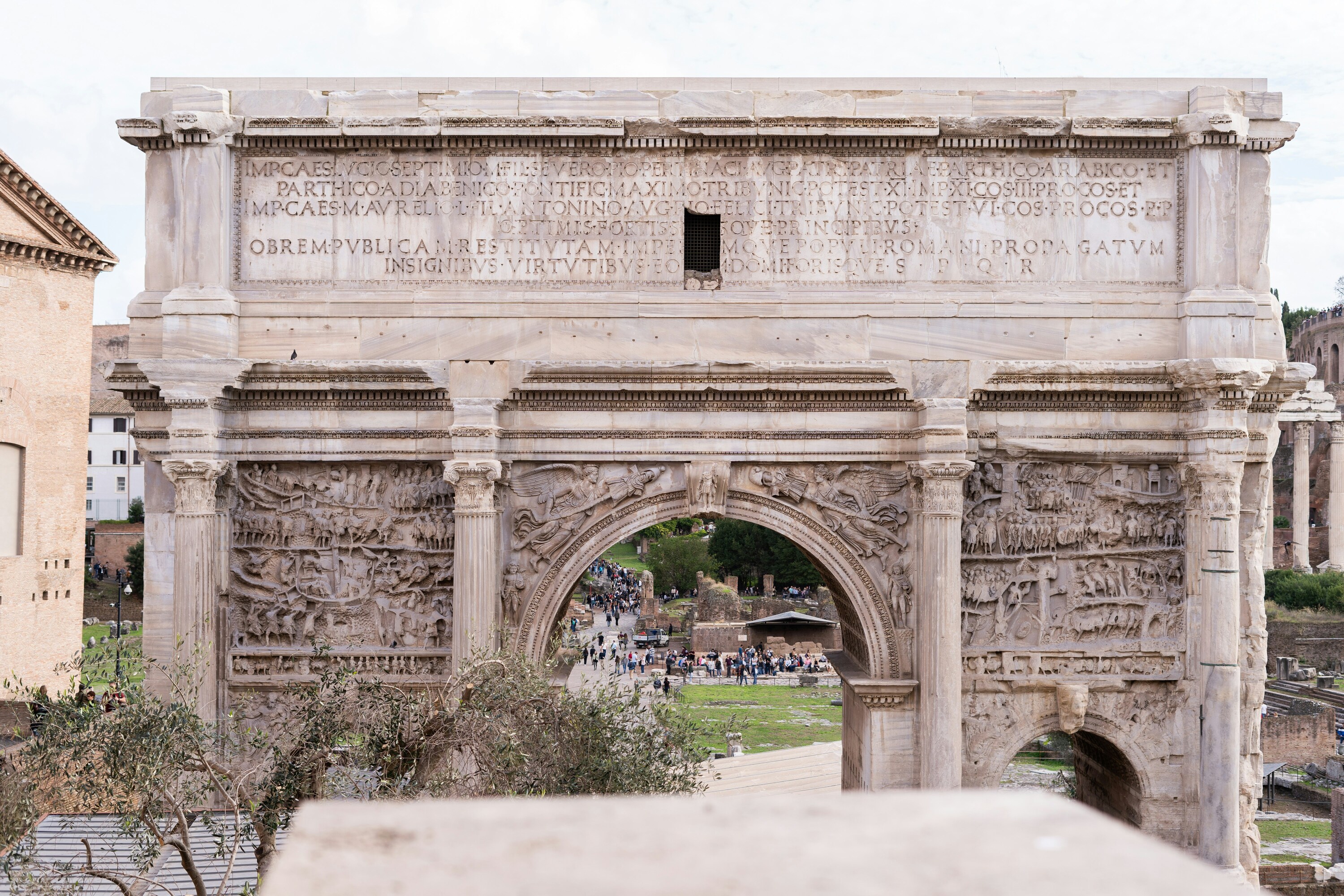
Close up of an ancient stone wall with a traveler's hand resting on it
Decoding the Stones: What Ancient Walls Tell Us
If you want to transform your walks into unscripted adventures, you need to know what to look for. Here is a brief guide to decoding ancient masonry:
- Changes in Material: A wall that starts with massive, perfectly cut limestone blocks at the bottom and transitions to smaller, irregular bricks at the top usually tells a story of an ancient foundation hastily rebuilt during a later crisis.
- Putlog Holes: Have you ever noticed small, evenly spaced square holes in medieval walls? These are "putlog holes," used to support wooden scaffolding during construction. They are the fingerprints of the medieval builders.
- Spolia: This is the practice of repurposing older building materials for new construction. Finding a piece of a carved Roman column casually mortared into a 12th-century defensive wall represents a fascinating clash of eras.
- Masons' Marks: Look closely at individual stones for small, carved geometric symbols. These were the "signatures" of medieval stonemasons, used to ensure they were paid for the exact number of stones they cut.
Unscripted Adventures: Three Walled Cities to Explore
To truly practice the art of exploring without a map, you need the right environment. Here are three globally renowned walled cities where wandering aimlessly yields incredible historical rewards:
1. Dubrovnik, Croatia
Often dubbed the "Pearl of the Adriatic," Dubrovnik’s walls are a masterclass in maritime defense and medieval engineering.
- Wall Length: Approximately 1,940 meters (1.2 miles) encircling the Old Town.
- Architectural Highlights: Look for the imposing Minčeta Tower and the subtle shifts in stone color that indicate repairs after the devastating 1667 earthquake.
- Best Time to Go: September to October (avoids the peak summer cruise ship crowds and intense heat).
- Access Cost: Around €35 for a wall-walking ticket.
2. Cartagena, Colombia
The massive fortifications of Cartagena represent some of the most extensive military architecture in South America, built to protect Spanish galleons from pirate raids.
- Wall Length: 11 kilometers (6.8 miles) of formidable coral stone.
- Architectural Highlights: Examine the Baluartes (bastions) and look for the porous, textured coral stone used in construction, which absorbed cannon fire better than brittle rock.
- Best Time to Go: December to April (the dry season, perfect for sunset walks along the ramparts).
- Access Cost: Free to walk the majority of the walls.
3. York, England
York boasts the most intact medieval city walls in England, sitting atop Roman and Viking foundations.
- Wall Length: 3.4 kilometers (2.1 miles) of walkable pathways.
- Architectural Highlights: The four main "Bars" (fortified gateways). Micklegate Bar is particularly famous; it was traditionally the main entrance for monarchs and the site where traitors' heads were spiked.
- Best Time to Go: May to September (for favorable English weather and blooming daffodils on the grassy banks).
- Access Cost: Completely free to the public.
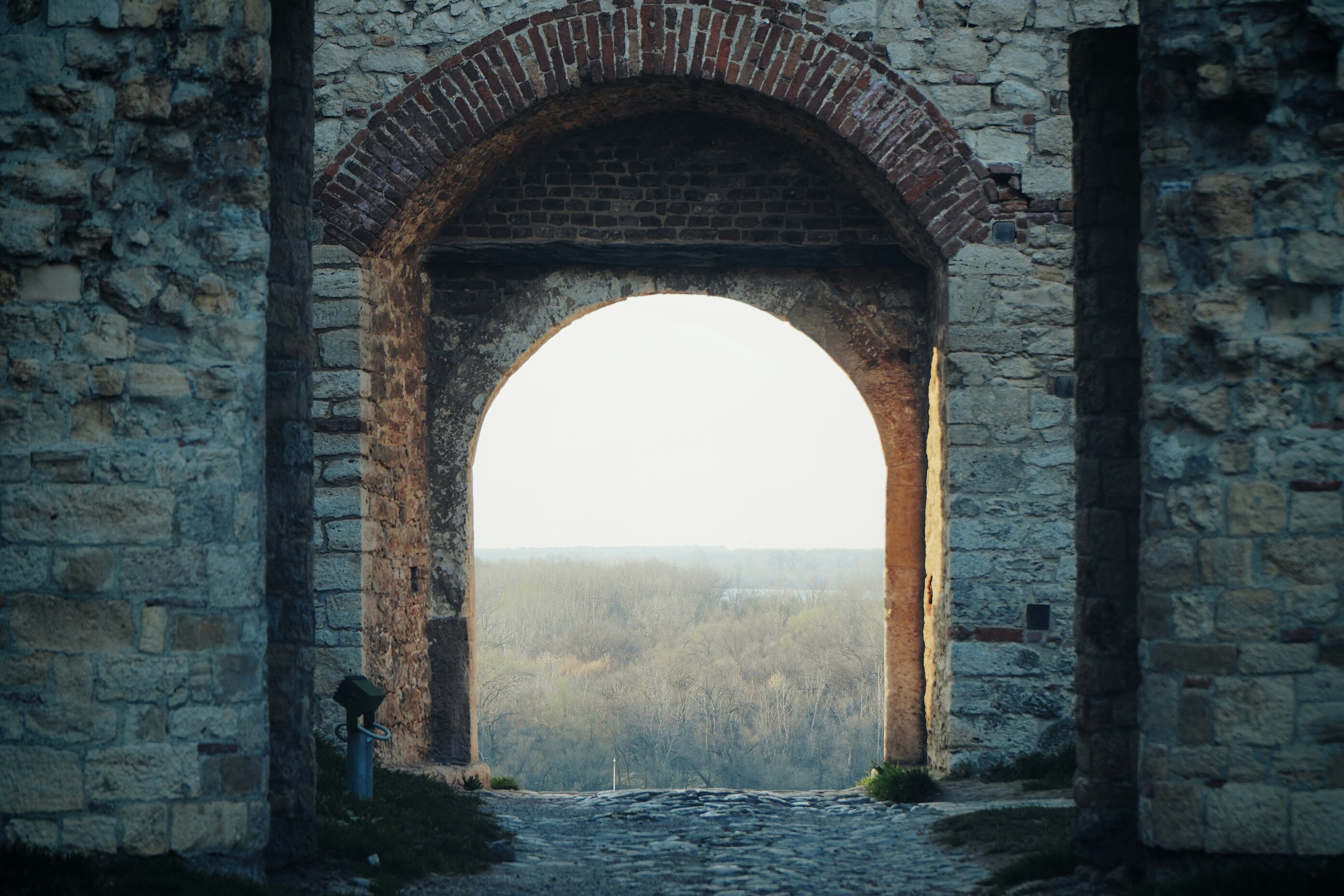
Traveler walking through a massive medieval city gate
Exploring Without a Map: Practical Tips for Urban Archeology
When you set out to trace the perimeter of an ancient city, leave your GPS in your pocket. Exploring without a map in a walled city is remarkably safe and intuitive; the wall itself acts as your permanent anchor.
- Follow the Perimeter First: Before diving into the labyrinth of the city center, walk the outer or inner perimeter of the walls. This establishes a mental map of the city’s boundaries.
- Look Up and Look Down: The most interesting architectural whispers are rarely at eye level. Look down at the foundational stones to see the oldest history, and look up to spot defensive arrow slits, gargoyles, or ancient crests.
- Engage with the Micro-Ecosystems: Old walls are living things. Notice the specific types of moss, ivy, and even small birds that have made their homes in the centuries-old mortar.
A wall is the most defining feature a city can possess. It dictates the flow of streets, the density of houses, and the culture of the people within. By slowing down and listening to the architectural whispers of these ancient barriers, you transition from being a simple tourist to an active participant in the destination's ongoing story. On your next trip, find the oldest stone you can, place your hand upon it, and listen.

Written by VoyZee Team
Official VoyZee editorial team
