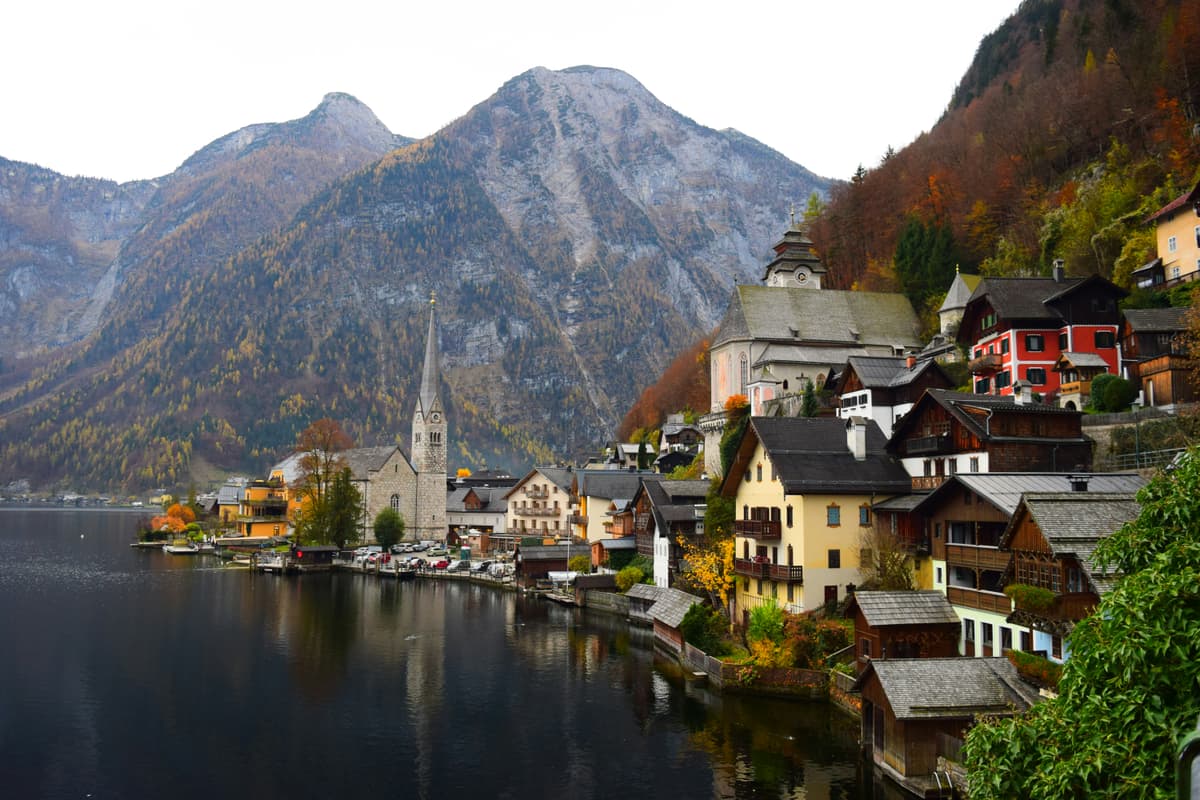
Europe is full of famous hotspots — Paris, Rome, Barcelona — but what if you’re looking for something different? Something quieter, cheaper, and just as beautiful? This guide reveals the most underrated countries to visit in Europe, where you’ll find fewer crowds, lower prices, and experiences that feel like your own discovery. Whether you're backpacking solo, traveling with family, or seeking adventure off the beaten path, these hidden gems deserve a spot on your European travel itinerary.
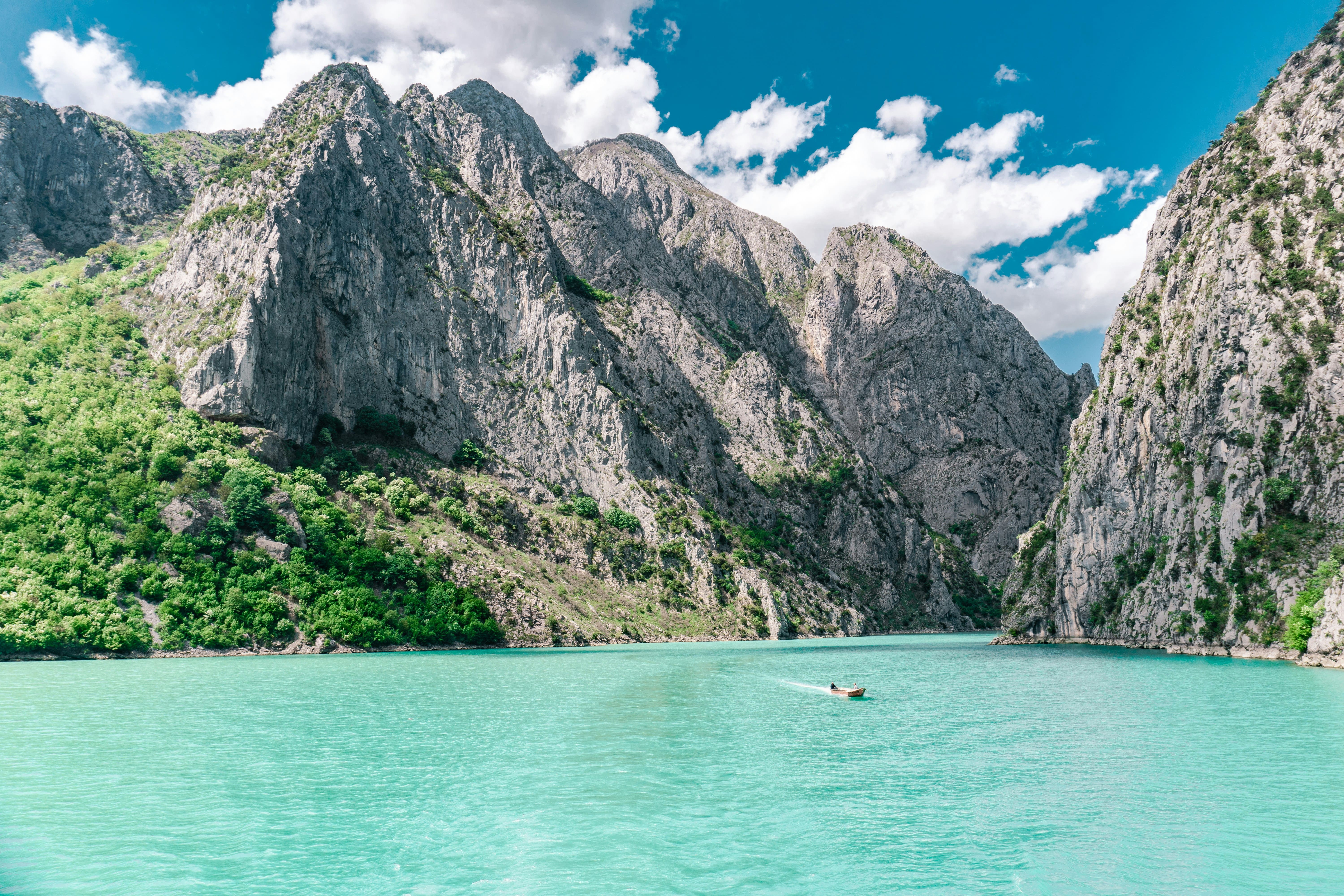
Albanian Riviera beach with turquoise waters and mountain backdrop
Why These Underrated Countries Deserve Your Attention
Mainstream European destinations are often crowded, expensive, and over-touristed. The underrated countries on this list offer authentic culture, untouched nature, and extraordinary value. You'll encounter locals who are genuinely curious about visitors, historical sites without selfie sticks, and meals that cost a fraction of what you'd pay in Western Europe. Plus, traveling to these places supports emerging tourism economies and promotes sustainable travel practices.
Visit during shoulder seasons (May-June or September-October) for the best weather, smaller crowds, and even lower prices. Many of these countries are also perfect for winter escapes if you're into snow sports.
1. Albania – The Mediterranean's Best-Kept Secret
Albania is one of the most underrated countries to visit in Europe, and it’s a total revelation. The Albanian Riviera rivals the Greek islands with its crystal-clear waters and sandy beaches, but without the price tag. Inland, you'll find the Accursed Mountains, perfect for trekking, and UNESCO cities like Berat and Gjirokastër, which feel frozen in time.
- Best for: Budget beach holidays and adventure trekking
- Average daily budget: €30-50
- Must-try food: Byrek (savory pie) and fresh seafood
- Hidden gem: The Blue Eye spring near Sarandë
How to Get to Albania
Fly into Tirana International Airport (NTO) with budget airlines like Wizz Air or Ryanair. From there, buses connect to coastal cities and mountain towns. Ferries from Italy also arrive in Durrës and Vlorë. Renting a car is a great option for exploring off-the-beaten-path spots.
2. Slovenia – Europe's Green Heart
Often overshadowed by its neighbors Italy and Austria, Slovenia is a green paradise packed with outdoor adventures. Lake Bled is the postcard-perfect icon, but the real magic lies in the Soča Valley, known for emerald waters and world-class rafting, and the underground wonder of Postojna Cave. Ljubljana, the capital, is one of Europe's most charming and walkable cities.
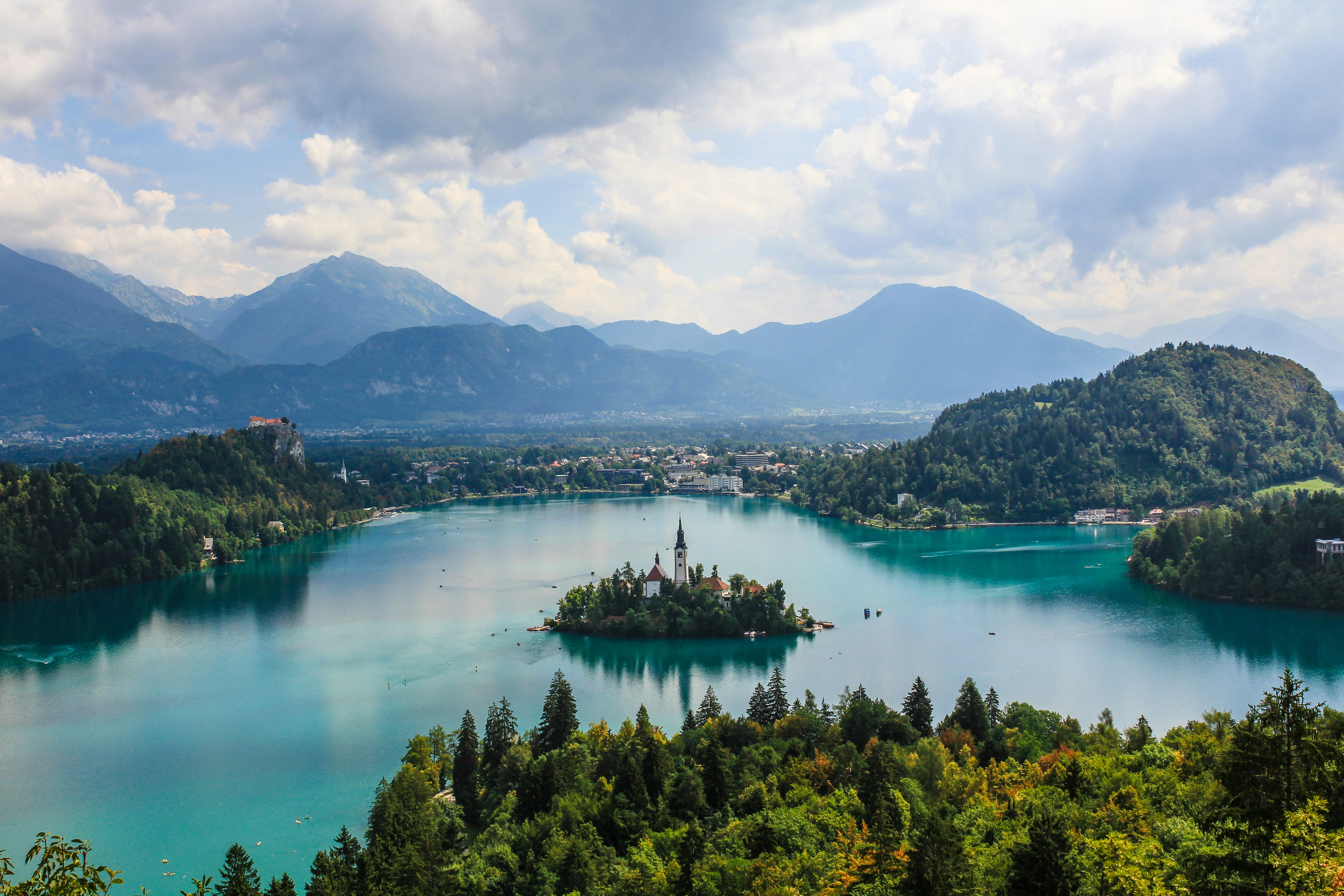
Lake Bled with its island church and castle overlooking the Julian Alps
Best Time to Visit Slovenia
Summer (June-August) is ideal for lake activities and hiking, while winter transforms the Alps into a ski haven. Spring and autumn are perfect for city exploring and wine tasting. Avoid July if you dislike crowds at Lake Bled.
3. Bosnia and Herzegovina – History and Hospitality
Bosnia and Herzegovina is one of the most underrated countries in Europe for its deep history and warm hospitality. Sarajevo offers a fascinating mix of Ottoman and Austro-Hungarian architecture, while Mostar's iconic bridge is a symbol of resilience. Outside the cities, rafting the Neretva River and hiking in the Dinaric Alps provide epic adventure.
Landmines still exist in remote areas. Always stick to marked trails and hire local guides for outdoor activities.
Visa Information for Bosnia and Herzegovina
US, UK, EU, Canadian, and Australian citizens can enter visa-free for up to 90 days. Check with your local embassy for the latest updates.
4. Latvia – Art Nouveau and Untamed Nature
Latvia is a hidden Baltic jewel with a stunning capital, Riga, famous for its Art Nouveau architecture and vibrant markets. Beyond the city, you'll find Gauja National Park, a haven for hikers and castle enthusiasts, and the pristine beaches of Jūrmala. It's an affordable and safe country for solo and family travelers alike.
Transportation in Latvia
Riga is well-connected by buses and trains to other Baltic capitals. Within the city, trams and buses are cheap and reliable. Renting a bicycle is a great way to explore the countryside.
5. North Macedonia – Lakes, Mountains, and Wine
North Macedonia is one of Europe's most underrated and affordable countries. Ohrid, a UNESCO World Heritage site, boasts a stunning lake and ancient monasteries. The capital, Skopje, is a quirky blend of Ottoman bazaars and modern statues. Wine lovers will appreciate the Tikveš region, known for its robust reds.
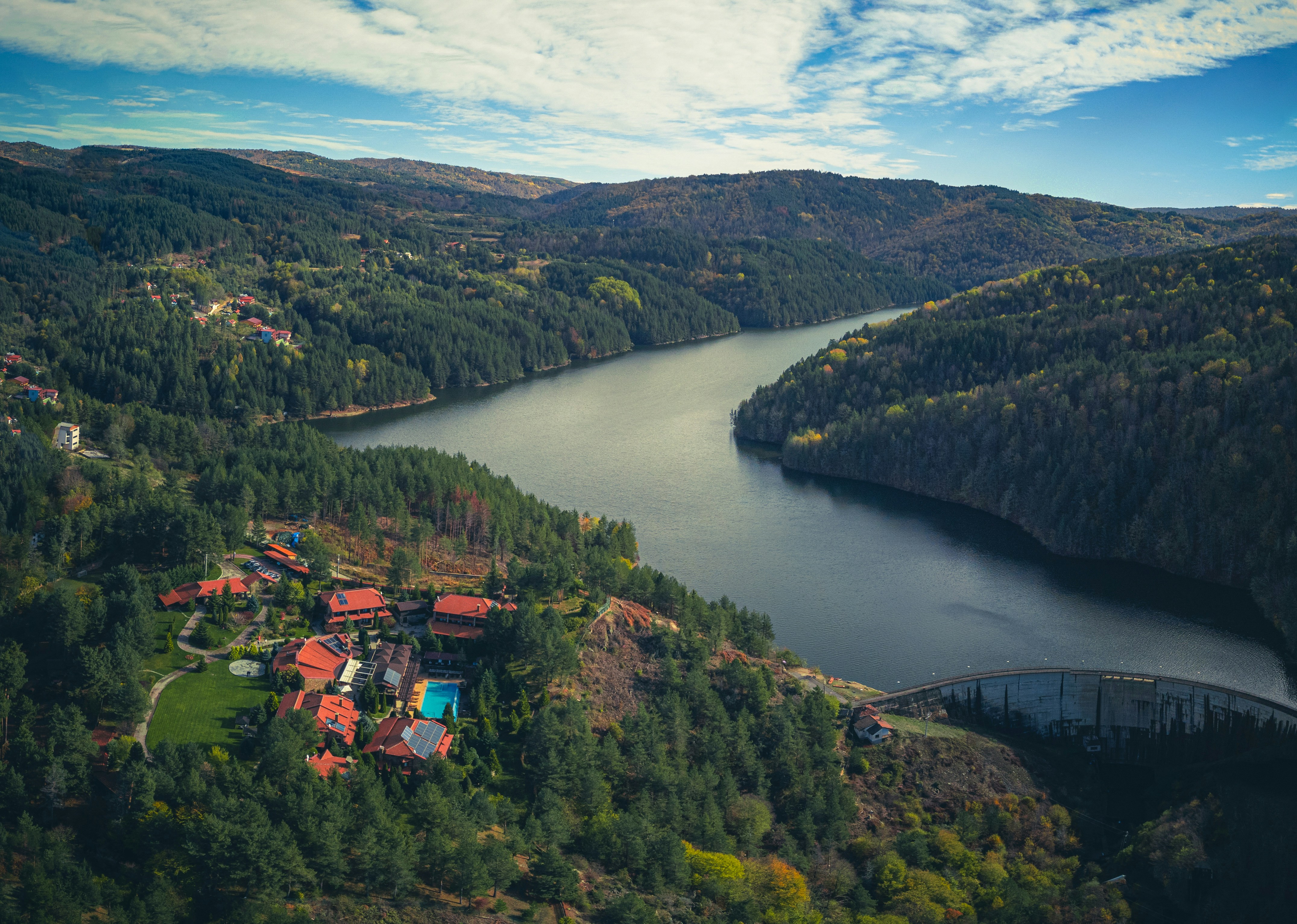
Lake Ohrid in North Macedonia with a historic church at sunset
Budget and Currency in North Macedonia
The local currency is the Macedonian Denar (MKD). Credit cards are accepted in major hotels and restaurants, but cash is essential for markets and rural areas. Expect to spend around €25-40 per day, including accommodation, meals, and transport.
6. Lithuania – Baroque Beauty and Coastal Charm
Lithuania offers a delightful mix of urban sophistication and natural escapes. Vilnius has one of the largest surviving medieval old towns in Europe, while the Curonian Spit is a UNESCO-listed sand dune peninsula perfect for cycling and birdwatching. Trakai Island Castle is a must-see for history buffs.
- Top attraction: Trakai Island Castle
- Hidden gem: Hill of Crosses near Šiauliai
- Local dish: Cepelinai (potato dumplings with meat)
- Best souvenir: Amber jewelry
Internet and SIM Cards in Lithuania
Lithuania has excellent 4G coverage. Buy a prepaid SIM from providers like Tele2 or Telia for under €10 with generous data packages. Free Wi-Fi is available in most cafes and public spaces.
7. Georgia – Europe's Crossroads of Culture
Though geographically at the edge of Europe, Georgia is increasingly considered a European destination and is incredibly underrated. Tbilisi's colorful balconies and sulfur baths are enchanting, while the wine region of Kakheti is one of the oldest in the world. For adventure, the Caucasus Mountains offer world-class hiking and ski resorts.
Local Customs in Georgia
Georgians are famously hospitable. Toasts are a big part of meals, and the 'supra' (feast) is a cultural highlight. Dress modestly when visiting churches, and always accept a glass of wine if offered — it's a sign of respect.
Georgia has one of the world's oldest winemaking traditions, with 8,000-year-old clay vessels (qvevri) still used today. Wine lovers will be in paradise.
8. Montenegro – A Miniature Riviera
Montenegro's dramatic coastline and rugged mountains make it a top pick for underrated European travel. The Bay of Kotor is often compared to a fjord, and the medieval town of Kotor is a UNESCO gem. Durmitor National Park offers epic rafting and hiking, while Sveti Stefan is a luxurious photo opportunity.
Bay of Kotor in Montenegro surrounded by steep mountains and historic towns
Common Mistakes to Avoid in Montenegro
- Renting a car without checking the road conditions in mountainous areas
- Only visiting the coast – the inland national parks are spectacular
- Not booking accommodation in Kotor in advance during summer
- Assuming Euros are widely accepted (they are, but have some cash for markets)
Suggested Itinerary for 2 Weeks in the Balkans
Start in Ljubljana, Slovenia (3 days) → Lake Bled (2 days) → Zagreb, Croatia (1 day) → Plitvice Lakes (1 day) → Mostar, Bosnia (2 days) → Dubrovnik, Croatia (2 days) → Kotor, Montenegro (2 days) → Tirana, Albania (1 day) → Ohrid, North Macedonia (2 days). This route mixes city culture, nature, and coastal beauty.
9. Poland – History, Castles, and Vibrant Cities
Poland is sometimes overlooked in favor of Western Europe, but it's one of the most underrated countries to visit in Europe. Kraków's medieval square, Warsaw's reconstructed old town, and Gdańsk's Baltic charm are just the beginning. The Tatra Mountains offer excellent hiking and skiing, while Auschwitz is a poignant historical site.
Safety Tips for Solo Travelers
Most underrated European countries are very safe for solo travelers. Common sense applies: avoid poorly lit areas at night, keep an eye on your belongings, and stay alert in crowded tourist spots. In Bosnia and Latvia, solo female travelers report feeling safe and welcomed.
10. Romania – Castles, Forests, and Folklore
Romania is one of the most underrated European destinations, famous for Dracula's Castle, but so much more. Transylvania's medieval towns like Sibiu and Sighișoara are beautifully preserved. The Carpathian Mountains offer incredible wildlife-watching (bears, wolves, and lynx) and hiking. For a truly unique experience, visit the Maramureș region to see centuries-old wooden churches and traditional village life.
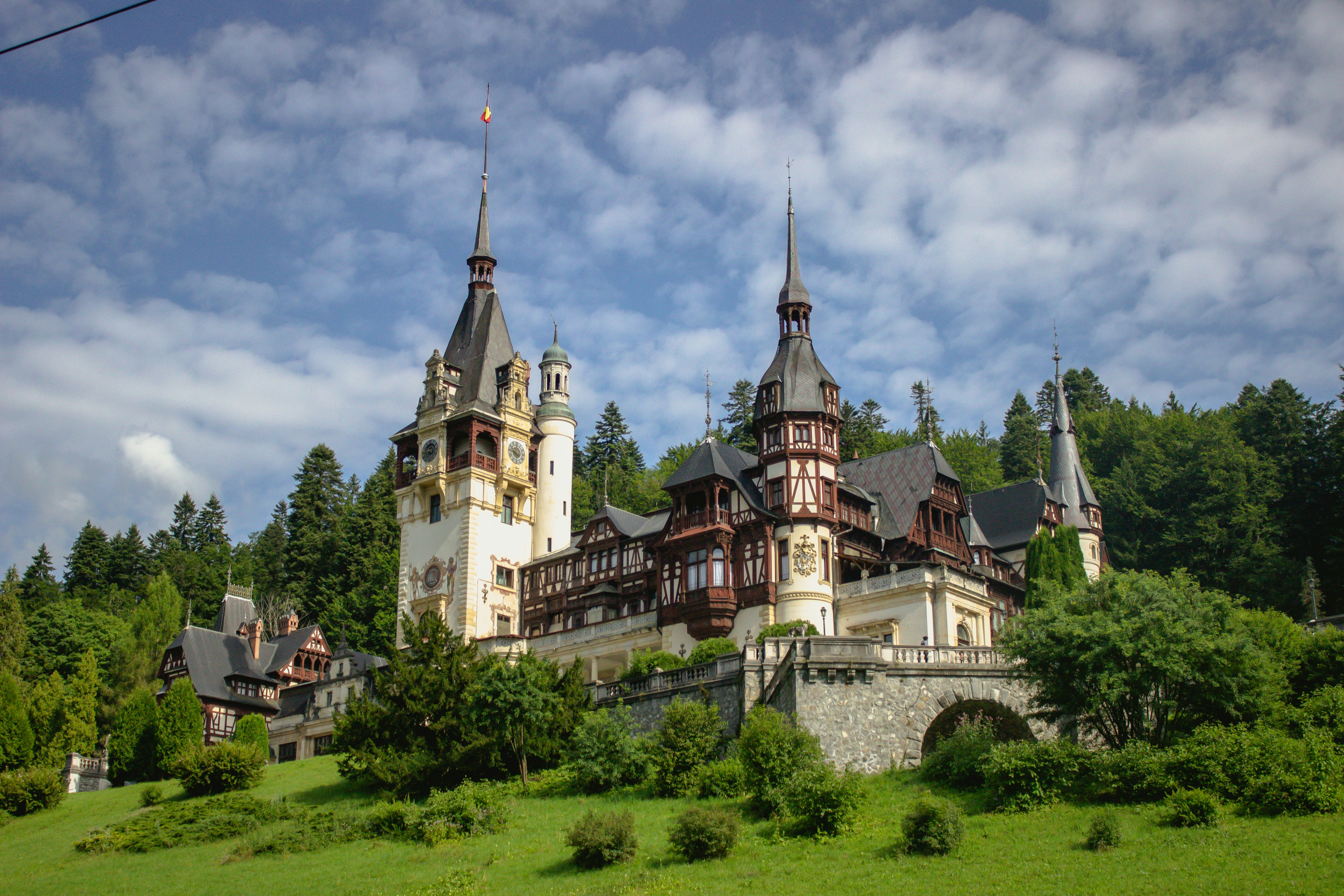
Bran Castle in Transylvania, Romania, surrounded by misty hills
Food and Drink Highlights
- Albania: Fresh seafood and byrek
- Slovenia: Štruklji (rolled dumplings) and wine from the Podravje region
- Bosnia: Ćevapi (grilled minced meat) and baklava
- Latvia: Grey peas and bacon, and Riga Black Balsam liqueur
- North Macedonia: Tavče gravče (baked beans) and rakija
- Lithuania: Cepelinai and šakotis (spit cake)
- Georgia: Khachapuri (cheese bread) and khinkali (dumplings)
- Montenegro: Njeguški pršut (smoked ham) and fresh oysters
- Poland: Pierogi and żurek (sour rye soup)
- Romania: Sarmale (cabbage rolls) and mămăligă (polenta)
Accommodation Options for Every Budget
Hostels are widely available in cities like Riga, Kraków, and Sarajevo, with dorm beds starting at €10-15. Budget hotels and guesthouses offer private rooms for €25-40. For unique stays, consider farmhouses in Slovenia, mountain huts in Albania, or castle hotels in Romania.
Sustainable Travel and Responsible Tourism
Traveling to underrated countries supports local economies and reduces overtourism in popular cities. Choose eco-certified accommodations, use public transportation, and buy local products. Respect wildlife in national parks and always carry reusable water bottles to cut down on plastic waste.
In Slovenia, many hotels participate in the Green Scheme of Slovenian Tourism. Stay at a certified eco-lodge and help preserve the country's natural heritage.
Photography Tips for These Underrated Gems
- Best sunrise: Lake Ohrid in North Macedonia
- Best sunset: The Albanian Riviera from Himarë
- Best drone shots: The Soča Valley in Slovenia
- Best street photography: Tbilisi's old town
- Best castle shots: Trakai in Lithuania or Bran in Romania
Packing Checklist for Underrated Europe
- Reusable water bottle
- Power bank and universal adapter
- Layered clothing for unpredictable weather
- Comfortable walking shoes
- Sunscreen and insect repellent
- First-aid kit
- Copies of important documents
- Cash in local currency
- A lightweight travel towel
- Portable laundry kit
Practical Travel Checklist
- Check visa requirements for your nationality
- Download offline maps (Google Maps or MAPS.ME)
- Book first-night accommodation in advance
- Exchange some cash before arrival
- Learn a few local phrases
- Pack a copy of your passport and travel insurance
- Download the VoyZee app for itineraries and planning
Conclusion
Europe is full of surprises, and these underrated countries prove that adventure awaits beyond the tourist trail. Whether you're after affordable beach days, rugged mountain hikes, or cultural immersion, Slovenia, Albania, Bosnia, and the others offer unforgettable experiences. Start planning your offbeat European journey today, and download VoyZee Travel to make every step seamless.
VoyZee Travel helps you craft custom itineraries, discover hidden gems, and track your budget in real time. From off-the-beaten-path adventures to family-friendly routes, VoyZee is your ultimate travel companion. Download the app and turn your European dream into a reality.
Frequently Asked Questions
1. What is the most underrated country in Europe?
Albania is often cited as the most underrated country in Europe due to its stunning coastline, affordable prices, and rich history. Other strong contenders include Slovenia, Bosnia and Herzegovina, and Georgia.
2. Are these underrated European countries safe?
Yes, all the countries listed are generally safe for tourists. Exercise standard precautions, especially in crowded areas and at night. Solo travelers, families, and backpackers all report positive experiences.
3. Do I need a visa to visit these countries?
Visa requirements vary by nationality. EU, US, UK, Canadian, and Australian citizens can enter most of these countries visa-free for up to 90 days. Always verify with the local embassy before travel.
4. What is the best time to visit these countries?
The best times are late spring (May-June) and early autumn (September-October) when the weather is pleasant and crowds are thinner. Summer is great for beaches, while winter offers skiing in Slovenia and Romania.
5. Can I drink tap water in these countries?
Tap water is generally safe in Slovenia, Latvia, Lithuania, Poland, and Romania. In Albania, Bosnia, North Macedonia, and Georgia, it's advisable to drink bottled water, especially in rural areas.
6. Is it easy to get around without a car?
Public transport is reliable in most countries, with buses and trains connecting major cities. For remote areas (e.g., Albanian mountains or Slovenian countryside), renting a car offers more flexibility.
7. How much money should I budget per day?
You can comfortably travel on €25-50 per day in most of these countries, covering accommodation, food, transport, and activities. Western Europe is significantly more expensive.
8. What should I pack for a trip to underrated Europe?
Layers are essential due to variable weather. Bring comfortable shoes, a reusable water bottle, a power bank, a travel adapter, and a light rain jacket. Don't forget your passport and travel insurance documents.
9. Are these countries family-friendly?
Absolutely. Countries like Slovenia and Poland are very family-friendly with safe cities, nature parks, and attractions suitable for all ages. Many accommodations offer family rooms.
10. What is the local currency in these countries?
Albania uses the Lek (ALL), Bosnia uses the Convertible Mark (BAM), North Macedonia uses the Denar (MKD), while Slovenia, Latvia, Lithuania, and Montenegro use the Euro (EUR). Poland uses the Złoty (PLN), Romania uses the Leu (RON), and Georgia uses the Lari (GEL).
11. Can I use my credit card everywhere?
Credit cards are widely accepted in hotels, restaurants, and shops in larger cities. However, cash is essential in rural areas, markets, and for small purchases. Always carry some local currency.
12. Are there English speakers in these countries?
English proficiency is high among younger people and in tourist areas. In Slovenia, Latvia, and Poland, you'll find many fluent speakers. In Albania and Bosnia, English is less common but basic communication is manageable.
13. Is it worth visiting these countries in winter?
Yes, especially if you enjoy snow sports. Slovenia, Poland, and Romania have excellent ski resorts. Christmas markets in Kraków, Riga, and Ljubljana are magical. However, some coastal areas close down during winter.
14. What is the best way to travel between these countries?
FlixBus and local bus companies connect most cities across the Balkans and Eastern Europe. Trains are scenic in Slovenia and Poland. For island-hopping or coastal routes, ferries are available. For convenience, consider a rental car.
15. Is there good vegetarian or vegan food available?
In larger cities, you'll find plenty of vegetarian and vegan options. In rural areas, the cuisine is meat-heavy, but you can often request vegetable-based dishes like salads, soups, and grilled vegetables.

Written by VoyZee Team
Official VoyZee editorial team
